Predicting Climate Change Risk on Coastal Heritage
Predicting climate change risk on coastal heritage is vital for preserving and protecting these invaluable treasures.
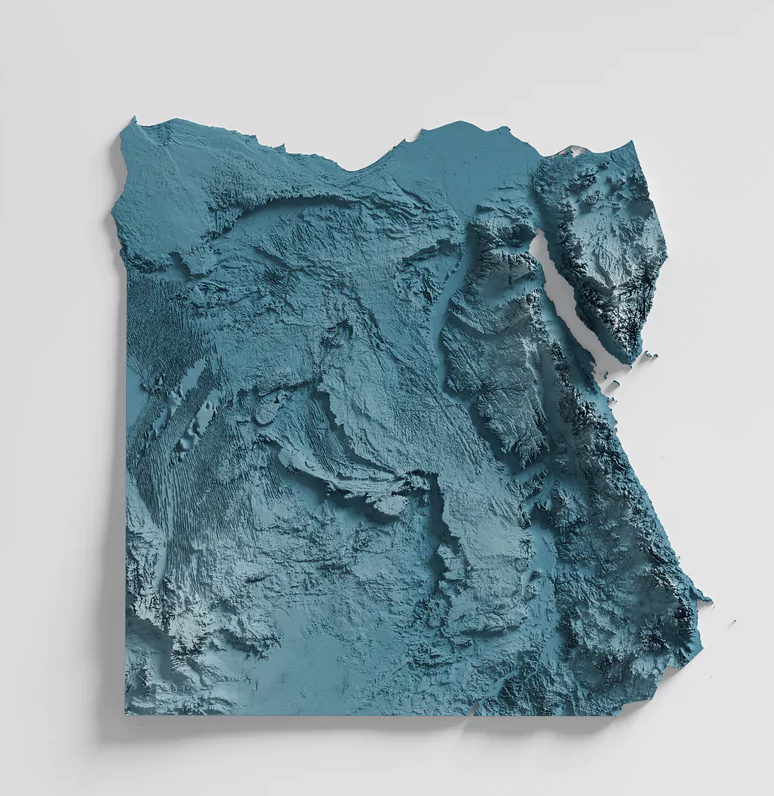
Predicting of sea level rise with GIS and AI
Scientists are certain the oceans will rise. But
they’re unsure when, and by how much. Artificial
intelligence could help inform the picture.
In June and July 2019, unusually warm air settled
over Greenland’s ice cap—yielding near-viral
footage of a dramatic melting event. Suddenly the
whole world was paying attention.
Scientists know that melting ice caps—such as the
one covering Greenland—will impact coastal cities
sometime this century, but are less certain on
when it will happen, and how much
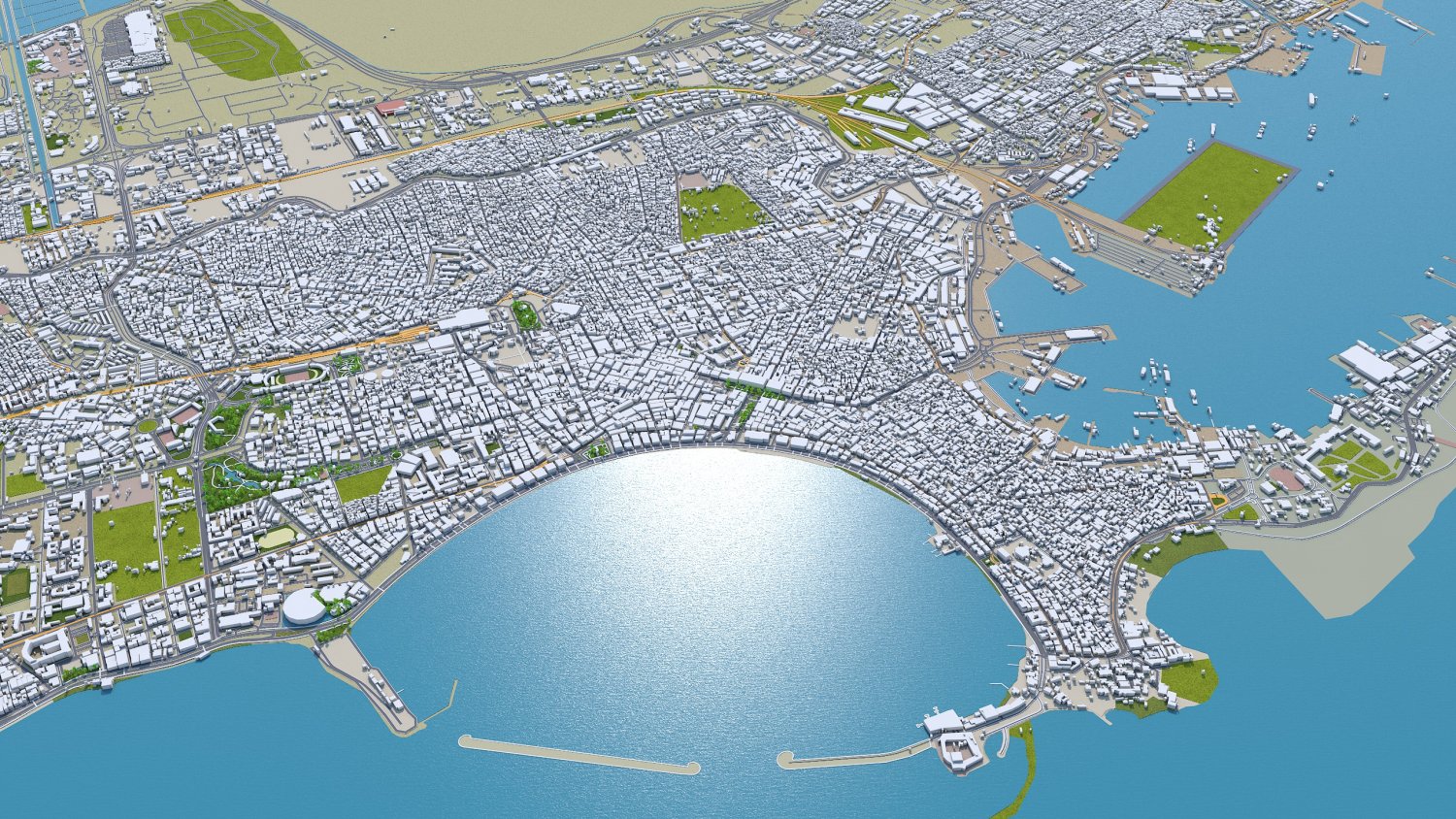
ALEXANDRIA
For instance, Alexandria is one of the Mediterranean world heritage sites at risk from coastal flooding
and erosion due to sea-level rise. The city’s position on the Mediterranean coast means it is especially
vulnerable to rising sea levels. Alexandria is one of the archaeological sites in Egypt at risk from flooding.
All the archaeological sites on the northern coast of Egypt are also said to be at risk from coastal
erosion. The flood risk in Alexandria is expected to reach a tipping point by 2050.
Affection of rising sea level
A) Medium
affected
regions
B) Most
affected
regions
C) Low
affected
regions provide interactive data visualization tools, enabling users to explore and understand climate change risk on coastal heritage sites with ease.
Our Services
With our comprehensive suite of services, we provide actionable insights and strategies to help protect and preserve coastal heritage in the face of climate change.
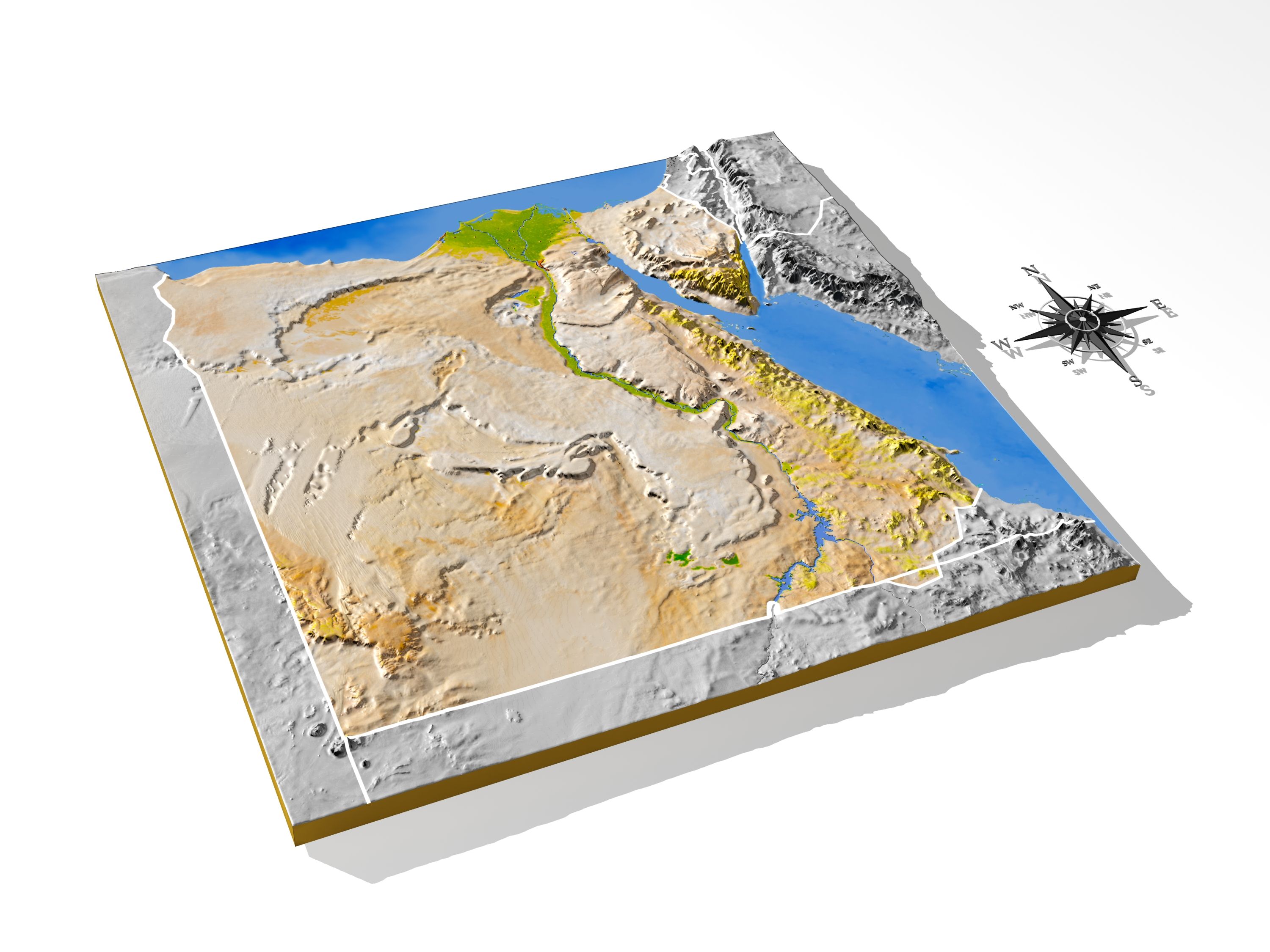
3D GIS MAPS
3D MAPS with data analysis techniques and modeling tools to accurately assess the climate change risk on coastal heritage sites.
Site-specific Risk Assessment
Our experts conduct site-specific risk assessments, considering factors such as sea-level rise, erosion, and storm surge to determine the vulnerability of coastal heritage sites.
